Buyer scenario
First we determine which business line the task belongs to: lab systems, integration, or protective workflow. That keeps budget, expectations, and proof level aligned from the start.
We do not start from a printer. We start from the scenario. The buyer task tells us whether the right path is a lab system, a material-flow integration, or a production workflow around a concrete object.
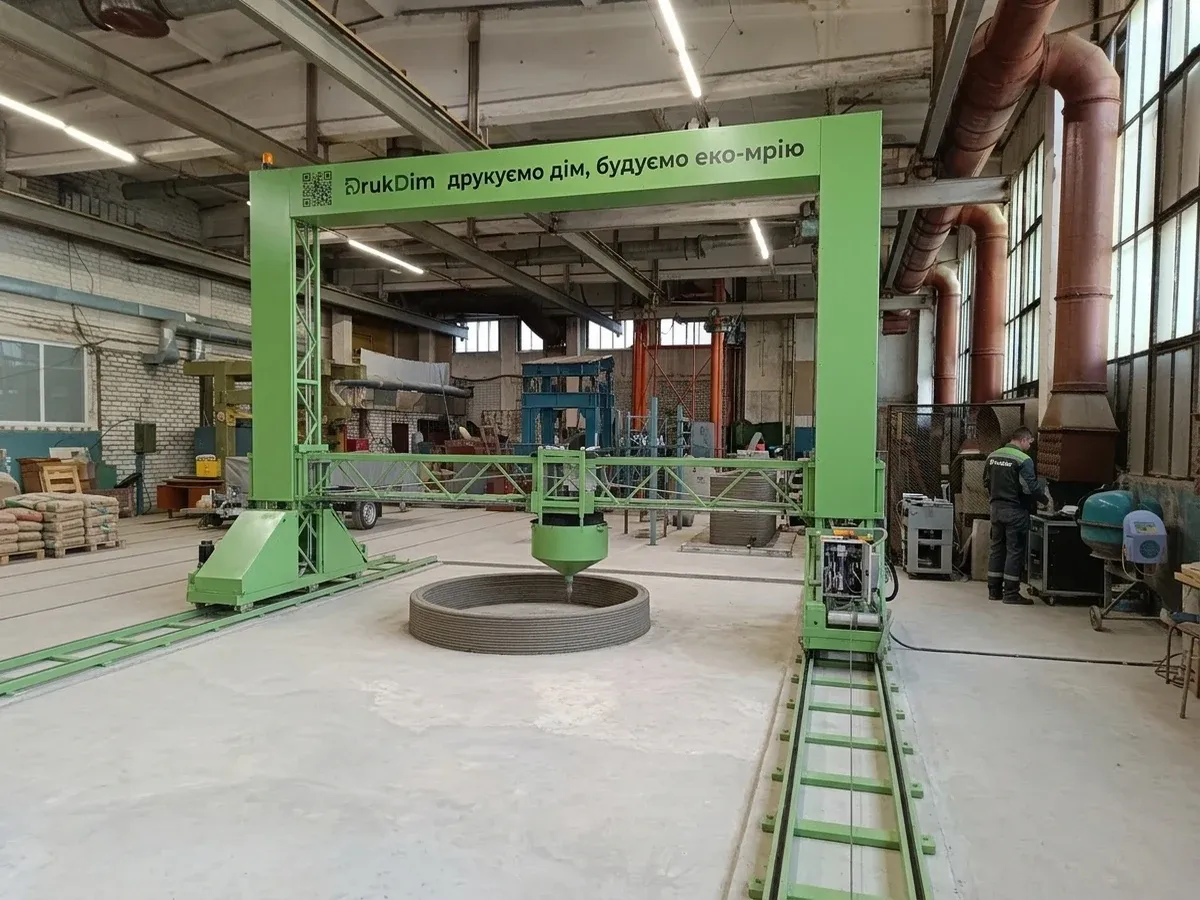
Path from request to system
A strong decision starts from the scenario, constraints, and readiness level, not from a model number.
Buyer scenario
Critical constraints
System configuration
Proof of operation
Delivery or integration
First we determine which business line the task belongs to: lab systems, integration, or protective workflow. That keeps budget, expectations, and proof level aligned from the start.
Material, geometry, operating rhythm, available space, automation level, and desired output often matter more than the platform name itself.
Then we connect platform, material flow, extrusion, and process mode into the configuration that matches the actual cycle of work.
For tested and development directions we explicitly show what is already proven and what still requires additional validation before it should be sold at scale.
Depending on the task, the outcome may be a delivered package, an integration programme, or a roadmap toward a production-ready configuration.
KuBrick S / M / L, Brama D, DrukMixLab, and mid-scale extrusion units for teaching, research, and tender-ready lab systems.
DrukMix L, DrukMixLab, Ex100 M(A), and related workflows for bringing real printing to a working state.
Brama F, DrukMix XL, and production-class extrusion for repeatable element workflows.
Brama XL, protective block production, and next-generation printing concepts that are not yet finished product proof.
What we connect into one decision